
Haftungsausschluss: This website is strictly for informational and entertainment purposes. We are not affiliated with, sponsored by, or endorsed by any of the game developers or publishers discussed herein. All names, images, logos, and trademarks are the property of their respective owners, and their use on this site is for editorial purposes and falls under fair use guidelines.Lorem ipsum dolor sit amet, consectetur adipiscing elit. Ut elit tellus, luctus nec ullamcorper mattis, pulvinar dapibus leo.
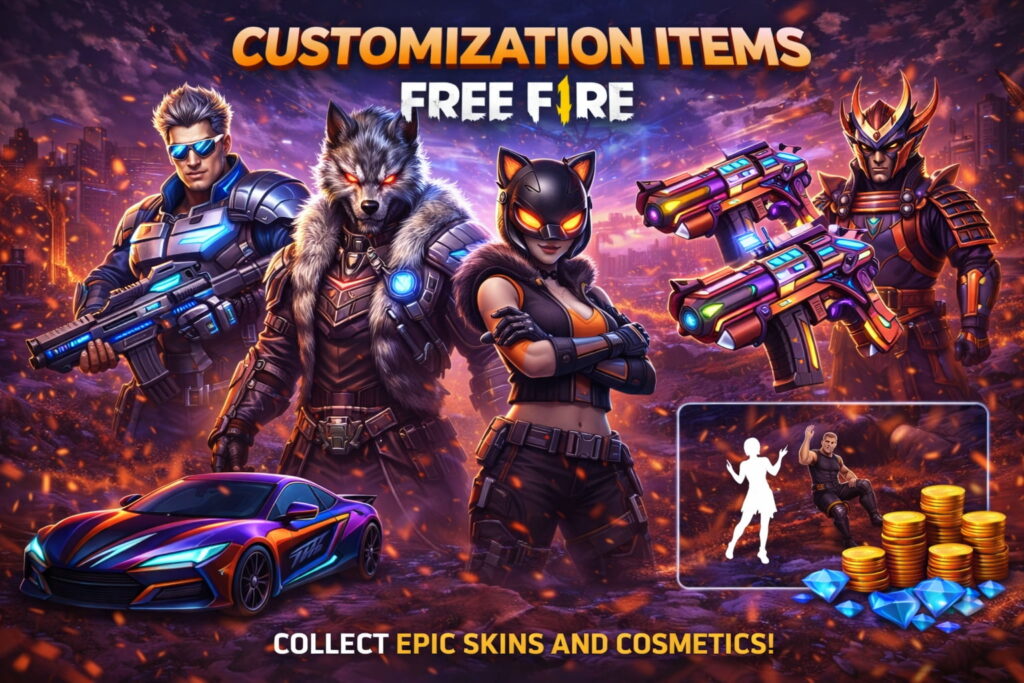
In Free Fire, not everything is about performance. Over time, the way a player looks inside the game has become just as important as how they play.
Because of this, customization items are no longer just visual extras. Instead, they help define how a player is recognized before a match even begins.
In many situations, a well-built visual already communicates experience, consistency, and time invested in the game.
For that reason, understanding how to use customization items properly can change not only your appearance, but also how you are perceived inside Free Fire.
WHY CUSTOMIZATION MATTERS MORE THAN MOST PLAYERS THINK
At first, customization may seem optional. However, players who invest time in building a visual identity tend to stand out naturally in different situations.
This happens because visual elements are seen constantly, whether in the lobby, during eliminations, or while interacting with other players.
In addition, certain items are associated with events or time periods, which makes them recognizable and sometimes even respected within the community.
As a result, customization becomes part of your presence, not just a cosmetic decision.
WHAT DEFINES A STRONG VISUAL STYLE
A strong visual style is not built by using random items. Instead, it comes from combining elements in a way that feels consistent and intentional.
For example, experienced players often repeat certain patterns, colors, or item types, creating a recognizable look over time.
Moreover, mixing items from different sources can create unique combinations that are rarely seen in other accounts.
Key elements that define style include:
- Outfit consistency
- Color combinations
- Use of rare or event items
- Matching accessories
- Visual coherence
When these elements are aligned, the result feels more natural and impactful.
HOW PLAYERS BUILD UNIQUE COMBINATIONS
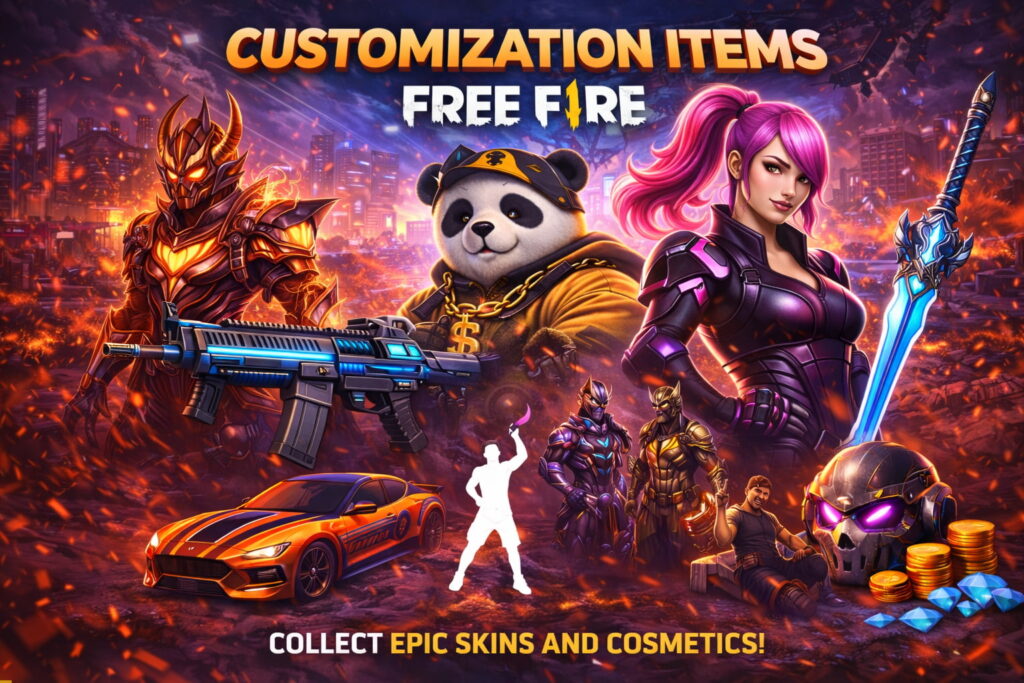
Creating a unique look requires more than just owning many items. It involves testing combinations and understanding how each piece interacts visually.
In many cases, players experiment with different setups until they find something that represents their style.
Additionally, combining older items with newer ones can create contrasts that feel fresh and different.
A simple approach can include:
- Choosing a base outfit
- Adding matching accessories
- Adjusting colors when possible
- Testing in lobby view
- Saving preferred combinations
This process helps refine your style over time.
COMMON MISTAKES WHEN USING CUSTOMIZATION ITEMS
Even though customization is flexible, some mistakes can reduce the overall impact of your visual identity.
One of the most common issues is mixing too many unrelated items, which creates a cluttered and inconsistent look.
In addition, some players prioritize rarity over coherence, resulting in combinations that do not visually connect.
Mistakes to avoid include:
- Overloading with too many items
- Ignoring color balance
- Mixing conflicting styles
- Choosing items only by rarity
- Not testing combinations
Avoiding these mistakes helps create a cleaner and more intentional visual.
HOW EVENTS INFLUENCE CUSTOMIZATION OPTIONS
Customization in Free Fire is strongly connected to events. Many items are released during specific campaigns and may not return later.
Because of this, items obtained during events often carry more value, especially when they become less common over time.
In addition, events introduce new visual trends, which influence how players build their styles.
Therefore, keeping track of events allows you to expand your options and create more diverse combinations.
COMPARING DIFFERENT TYPES OF CUSTOMIZATION ITEMS
Not all customization items serve the same purpose. Some are more visible, while others complement the overall look.
The table below highlights how different types contribute to your style.
| Item Type | Visibility | Impact on Style | Usage |
|---|---|---|---|
| Outfits | High | Strong | Core |
| Accessories | Medium | Supportive | Detail |
| Backpacks | Medium | Visual balance | Complement |
| Effects | High | Situational | Highlight |
| Profile elements | Low | Identity | Passive |
Understanding this difference helps prioritize what matters most.
HOW TO MAKE YOUR STYLE STAND OUT
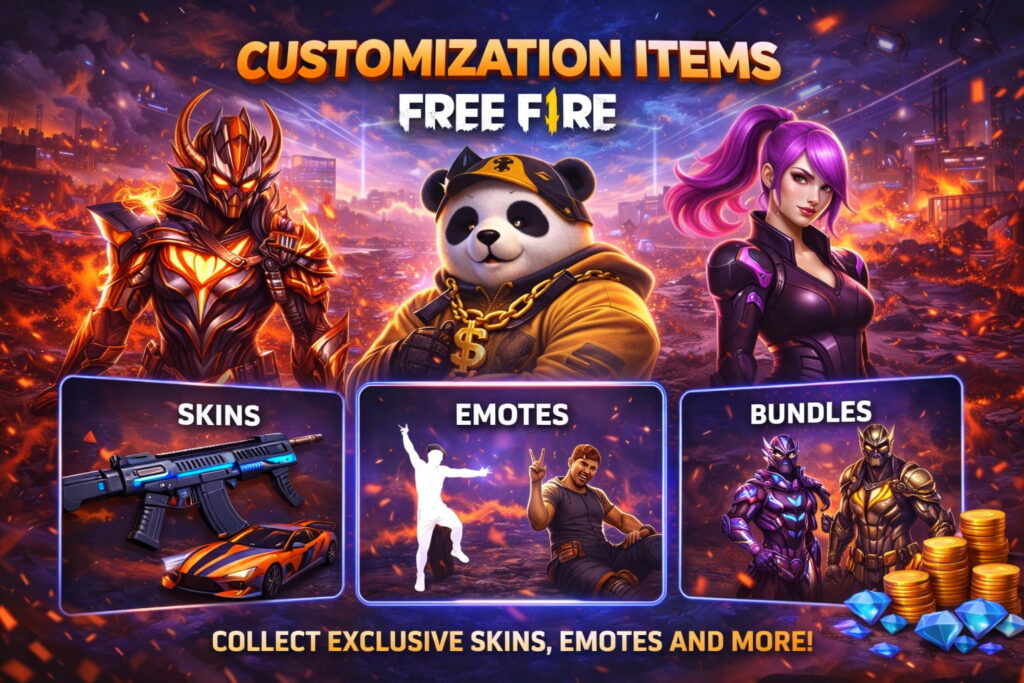
Standing out does not always require rare items. In many cases, it is about how items are combined rather than what items you own.
Players who stand out usually follow a consistent visual approach, which makes their style recognizable across matches.
Additionally, subtle adjustments can create noticeable improvements without requiring major changes.
Effective ways to stand out include:
- Keeping a consistent theme
- Using contrast carefully
- Avoiding repetition of common looks
- Updating style occasionally
- Focusing on balance
These adjustments help create a more refined visual identity.
BUILDING A LONG-TERM CUSTOMIZATION APPROACH
Customization should not be treated as a one-time decision. Instead, it works better as a process that evolves over time.
As new items are introduced, your style can be updated while still maintaining its core identity.
In addition, observing other players can provide inspiration without copying directly.
A long-term approach may include:
- Defining your preferred style
- Collecting relevant items
- Testing combinations regularly
- Updating when needed
- Keeping consistency
This approach helps maintain a strong and recognizable presence.
CONCLUSION
Customization items in Free Fire go far beyond simple visuals. They are part of how players present themselves and interact within the game environment.
When used intentionally, these items help build identity, improve presence, and create a more engaging experience overall.
In addition, understanding how to combine and evolve your style makes a noticeable difference over time.
In the end, customization is not about having more items, but about using them in a way that feels consistent and meaningful.