
Introduction to the job of an automotive technician
The work of an automotive technician is essential for the maintenance and proper functioning of the vehicles we use daily. These professionals are responsible for diagnosing mechanical problems, performing repairs, and ensuring that cars are safe to drive. With the advancement of automotive technology, the technician's role has become even more complex, requiring in-depth knowledge of electronics, computers, and mechanics.
Furthermore, the role of an auto technician goes far beyond simply repairing vehicles. They also play an important role in educating owners about preventative maintenance and the importance of taking good care of their vehicles. This includes everything from oil changes and tire checks to performing more complex diagnostics on electronic systems. Therefore, the auto technician profession is vital not only for vehicle safety but also for the economy and efficiency of transportation.
What are the duties of an auto technician?
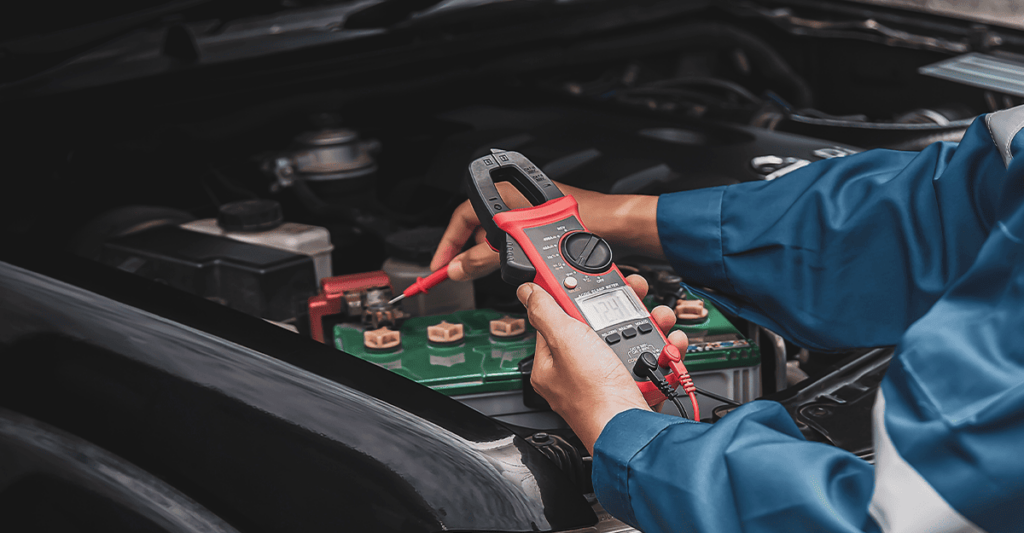
The responsibilities of an automotive technician are varied and encompass several areas of expertise. First, these professionals perform vehicle diagnostics using specialized tools and testing equipment. By analyzing data and vehicle behavior, they can identify mechanical and electronic faults. This step is crucial, as an accurate diagnosis is the foundation for effective repairs.
Once the problem is identified, the auto technician is responsible for performing the necessary repairs. This may include replacing parts, adjusting mechanical and electronic systems, and even reprogramming digital components. The ability to safely and effectively handle tools and equipment is essential to ensure that services are performed professionally and safely.
In addition to repairs, the auto technician must also be prepared to provide guidance to customers on vehicle maintenance. This includes explaining the importance of regular services such as oil changes, wheel alignments, and brake checks. Clear communication and the ability to educate owners are essential skills for an auto technician, as they help promote vehicle safety and longevity.
Finally, automotive technicians must always stay up-to-date on new technologies and industry trends. With the constant evolution of vehicles, especially with the introduction of hybrid and electric systems, continuous learning becomes a vital part of the profession. Attending refresher courses and workshops is essential to remain competitive and provide the best possible service to customers.
Advantages of being an auto technician
Being an auto technician offers several advantages that attract many professionals to this field. One of the main advantages is the high demand for automotive maintenance services. With an increasing number of vehicles on the road, the need for qualified technicians has never been greater. This means there are many job opportunities and good financial stability for those who dedicate themselves to this profession.
Another advantage is the opportunity to work in a dynamic and diverse environment. Each vehicle presents a unique set of challenges, and technicians have the opportunity to solve different problems every day. This diversity makes the work more interesting and less monotonous, allowing professionals to develop their skills and learn constantly.
Furthermore, the auto technician profession can provide a good financial return. With the right experience and certifications, many technicians are able to establish themselves as independent contractors, opening their own repair shops. This not only increases earning potential but also offers the freedom to manage their own business and establish their own rules.
Finally, being an automotive technician allows professionals to contribute to road safety. By ensuring vehicles are in good condition, they help prevent accidents and promote safer driving. This responsibility is rewarding and provides a sense of purpose, knowing that their work has a positive impact on people's lives.
How to become an auto technician?
To become an automotive technician, you must follow a few important steps. First, it's essential to obtain formal education in the field. This may include completing a technical course in automotive mechanics, which typically covers both theory and practical experience. Many institutions offer programs that prepare students for the necessary certifications and provide a solid foundation of knowledge.
Next, it's recommended to seek internships or practical experience in auto repair shops. This day-to-day experience is crucial for developing practical skills and a better understanding of vehicle operation. During this phase, aspiring auto technicians can learn from experienced professionals and apply the knowledge acquired in the classroom.
After gaining practical experience, the next step is to obtain recognized certifications in the field. Several organizations offer certifications for automotive technicians, and these credentials can increase a professional's employability and credibility. Certifications demonstrate that the technician has up-to-date knowledge and is capable of handling the latest technologies.
Finally, it's important to continue updating and learning throughout your career. The automotive industry is constantly evolving, with new technologies and innovations emerging regularly. Attending refresher courses, workshops, and industry trade shows is essential to stay competitive and ensure your skills are always up to date.
Challenges of the automotive technician profession
Despite its many advantages, the automotive technician profession also presents challenges. One of the biggest obstacles is the need to deal with complex problems, which require advanced technical skills. Vehicles are becoming increasingly sophisticated, which increases the demand for specialized knowledge.
Furthermore, the work environment can be demanding, with irregular hours and demands for speed in services provided. The technician must be efficient, but without compromising the quality of the work. This requires strong time management skills and problem-solving skills under pressure.
Another challenge is the investment required in high-tech tools and equipment. To keep up with innovations, technicians need access to modern equipment, which can represent a high initial cost. This requires financial planning and the ability to adapt to the market.
Exposure to chemicals and hazardous substances is also a concern in the profession. Safety in the workplace is crucial, and technicians must adopt strict measures to prevent accidents. Protective equipment and knowledge of the risks are essential to ensure the professional's safety.
Did you enjoy learning about the work of an auto technician?
The job of an automotive technician is fascinating and challenging. With the increasing complexity of modern vehicles, the importance of this professional is only set to increase. If you're interested in automobiles and want to pursue a career that combines technology and practical experience, this may be the ideal profession for you.
Beyond technical skills, being an auto technician also involves a commitment to safety and customer satisfaction. With dedication and a willingness to learn, you can become a respected and valued professional in this ever-evolving industry.
Frequently Asked Questions
What does an auto technician do?
An auto technician handles vehicle maintenance and repairs. They diagnose problems, replace parts, and ensure your car runs smoothly.
What kind of problems does an automotive technician solve?
It troubleshoots engine, brake, transmission, and suspension issues. Any strange noises or lights on the dashboard could be clues.
Do you need training to be an auto technician?
Yes, technical training is required. Automotive mechanics courses help you understand everything about cars.
How do you know if an automotive technician is good?
Research reviews and recommendations. A good auto technician will explain the problems and show you solutions.
What is the difference between a mechanic and an auto technician?
A mechanic focuses on repairs, while an auto technician also performs diagnostics. Both are important, but their roles may vary.