
Introduction to the role of the elderly assistant
The aging of the population is a global phenomenon that brings with it a series of challenges and opportunities. As people live longer, the demand for adequate care and emotional support for the elderly increases considerably. In this context, the role of the elderly assistant becomes essential, as these professionals are responsible for ensuring that the elderly receive the attention and care necessary for a dignified and comfortable life. The presence of a qualified assistant can make all the difference in the quality of life of the elderly, providing not only physical care, but also emotional and social support.
Elderly aides perform a variety of functions that go beyond simply assisting with daily activities. They are trained to address the specific needs of the elderly population, who often face challenges such as loneliness, reduced mobility, and the need for medical care. In addition, the aide becomes a vital link between the elderly and their family, helping to alleviate family members’ concerns about the well-being of their loved ones. In this article, we will explore in more detail the activities performed by an elderly aide, their benefits, and how they can improve the quality of life of the elderly.
How do the activities performed by a senior assistant work?
The activities performed by a senior care assistant are varied and tailored to the needs of each individual. First, the assistant conducts an initial assessment of the senior’s health conditions and needs, which allows for the creation of a personalized care plan. This plan may include administering medication, monitoring health conditions, and accompanying them to medical appointments. The assistant must have a good understanding of conditions that affect the elderly population, such as diabetes, hypertension, and dementia, in order to provide effective care.
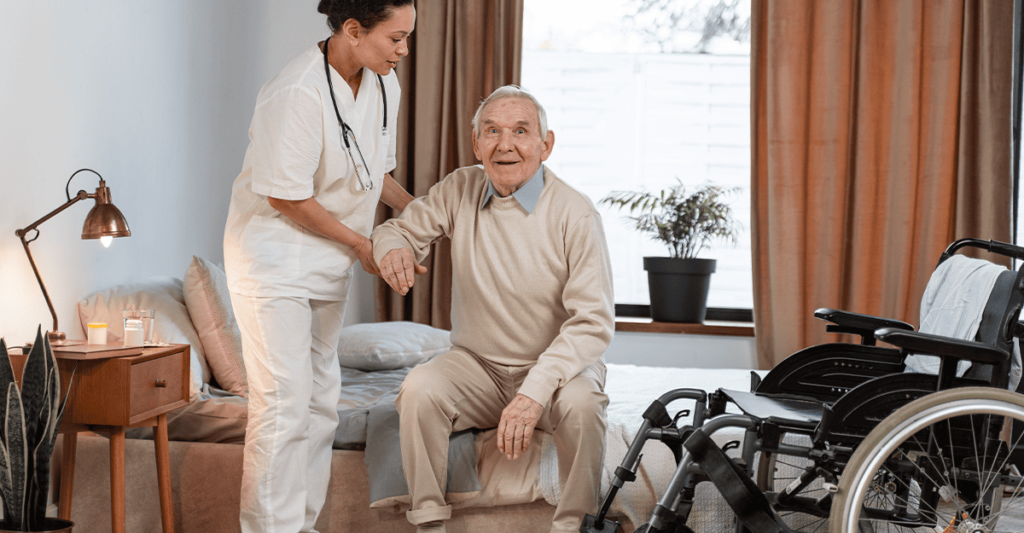
In addition to providing medical care, caregivers also help seniors with daily activities such as personal hygiene, eating, and mobility. This can include everything from helping seniors get out of bed to getting them ready to leave the house. The caregiver must be patient and understanding, as many seniors may feel insecure or reluctant to accept help. Therefore, clear communication and empathy are key to establishing a trusting relationship between the caregiver and the senior.
Another important role of a senior care assistant is to provide companionship and emotional support. Loneliness is one of the biggest challenges faced by seniors, and having a care assistant can help alleviate this problem. Care assistants are encouraged to interact with seniors, providing conversation, recreational activities, and even outings. This social interaction is crucial to seniors’ mental and emotional health, helping to reduce depression and isolation.
Finally, senior care assistants can also assist with household tasks such as cleaning, laundry, and meal preparation. While these activities may seem simple, they are essential to maintaining a safe and healthy environment for the elderly. Helping with household tasks allows the elderly to maintain their independence and dignity while ensuring that their basic needs are adequately met.
Advantages of having a senior assistant
Having a senior care assistant has numerous advantages for both seniors and their families. First, the presence of a qualified professional ensures that seniors receive the necessary ongoing and personalized care. This is especially important in cases of chronic illnesses or conditions that require constant monitoring. The peace of mind of knowing that a caregiver is always there to help can ease the emotional burden on family members.
Another significant advantage is the promotion of the elderly’s autonomy. With the right support, many elderly people are able to carry out their daily activities more easily, which contributes to their self-esteem and well-being. The assistant can adapt activities according to the elderly person’s capabilities, allowing them to maintain a level of independence that might otherwise be compromised. This autonomy is essential for the elderly person’s mental health, as they feel more active and valued.
Additionally, senior care providers can provide valuable emotional support. Loneliness is a common problem among seniors, and having a caregiver can make a big difference in their lives. Conversations, recreational activities, and even just going out can help combat loneliness and depression, fostering a happier, healthier environment. A caregiver is not only a caregiver, but also a friend and companion.
Finally, having a senior care provider can result in better management of a senior’s overall health. With proper medication management, medical monitoring, and attention to daily needs, seniors can avoid health complications and unnecessary hospitalizations. This not only improves the senior’s quality of life, but can also reduce long-term healthcare costs, benefiting the family as a whole.
How can a senior assistant improve the lives of seniors?
- Emotional support for seniors: A senior care assistant provides essential emotional support, helping to combat loneliness and promoting social interactions. This is crucial for the mental and emotional well-being of seniors, who often face isolation.
- Elderly care for daily activities: Caregivers help seniors with daily tasks such as personal hygiene, eating, and mobility. This support is vital to ensuring that seniors maintain their dignity and comfort in their daily lives.
- Household chores for seniors: In addition to caring for the elderly, caregivers can also perform household chores such as cleaning and preparing meals. This ensures that the elderly person's environment is safe and welcoming, making their routine easier.
- Companionship for the elderly in moments of loneliness: The presence of an assistant provides companionship in moments of loneliness, promoting conversations and activities that help keep the mind active and engaged. This is essential for the emotional health of the elderly.
- Recreational activities for seniors: Caregivers can organize and participate in recreational activities such as games, outings, and light exercise. These activities not only entertain but also encourage socialization and physical activity.
- Transportation for seniors to appointments: Caregivers can help seniors get to medical appointments and other activities, ensuring they receive the health care they need. This is especially important for those who have difficulty getting around.
The combination of these activities and support provided by a senior care assistant can transform a senior’s life, providing not only physical care but also an emotionally healthy and stimulating environment. The presence of a trained care assistant is essential to ensure that seniors live with quality and dignity, even when faced with the challenges of aging.
Did you enjoy learning about the activities performed by an assistant for the elderly?
Understanding the activities performed by a senior care assistant is essential to understanding the importance of this professional in the lives of seniors. With a multifaceted role, the assistant not only cares for the physical health of seniors, but also promotes their emotional and social well-being. This understanding can help families make more informed decisions about the care their loved ones deserve.
If you are considering hiring a senior care assistant, it is important to remember that this choice can have a positive impact on the life of the elderly person and their entire family. Emotional support, promotion of autonomy and improved quality of life are just some of the benefits that an assistant can provide. Learn more about this topic and discover how this professional can make a difference!
Frequently Asked Questions
What activities does a senior care assistant perform?
A senior aide helps with daily tasks such as hygiene, feeding, and medication. They also provide companionship and emotional support.
What are the daily responsibilities of a senior care assistant?
Responsibilities include preparing meals, helping with mobility, and reminding seniors about their medications. They ensure their safety and well-being.
Can a senior care assistant help with cleaning and organizing?
Yes, they can help keep your home clean and organized. This includes tidying your room, doing laundry, and even gardening.
How can a senior care assistant help with socialization?
A senior aide can encourage social activities, such as walks and games. They also promote conversation and interaction with other people.
What training is required to be a senior care assistant?
Typically, no specific degree is required. Many caregivers take caregiving courses and on-the-job training to improve their skills.