
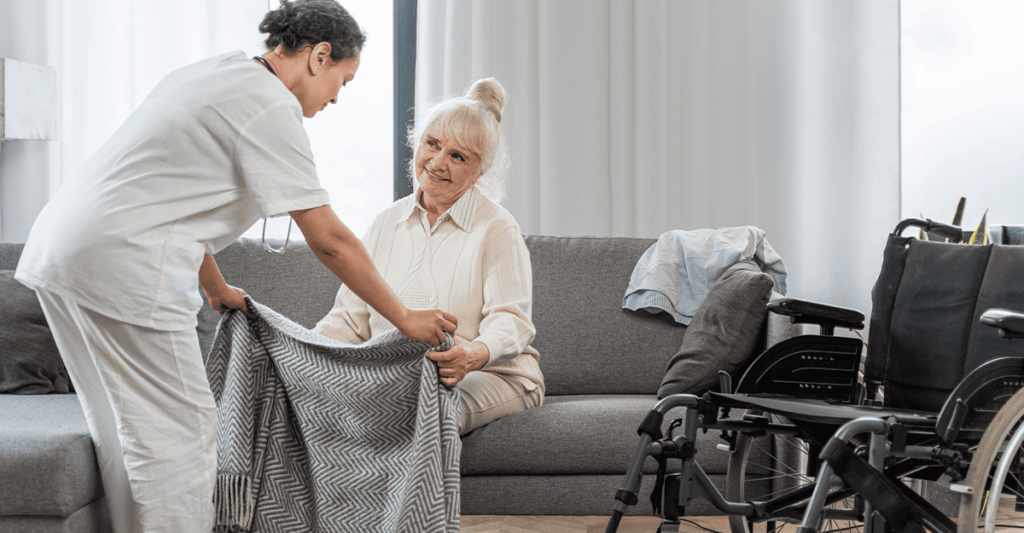
Introduction to the Elderly Care Assistant Qualification Manual
Population aging is a global phenomenon that highlights the need for adequate care for the elderly. With increasing life expectancy, more people are living to advanced ages, resulting in a growing demand for qualified professionals who can provide support and assistance to this age group. The role of senior care assistants is crucial, as these professionals are responsible for ensuring that seniors receive the care they need to maintain their quality of life.
In this context, the "Elderly Care Assistant Qualification Manual" emerges as an essential tool for those wishing to work in this field. The manual addresses not only the technical skills required for care, but also emotional and social aspects that are crucial to the well-being of older adults. Proper qualification not only improves the quality of services provided but also provides a more satisfying experience for both caregivers and those receiving care.
How Elderly Caregiver Qualifications Work
Elderly care assistant qualifications are structured to cover various aspects of geriatric care. Initially, the qualification process involves theoretical training, where future assistants learn about the specific needs of older adults, including physical, emotional, and social aspects. This training is essential because it allows professionals to understand the particularities of aging and how it affects their lives. Theory is complemented by practical classes, where students have the opportunity to apply the knowledge acquired in real-life situations, under the supervision of experienced professionals.
Furthermore, qualifications often include modules on effective communication, an essential skill for dealing with the elderly. Communication isn't limited to just speaking; it also involves active listening and empathy. Elderly care assistants must be able to understand the concerns and needs of older adults, often expressed nonverbally. This skill is crucial for establishing a relationship of trust and respect, which is the foundation of good care.
Another important aspect of the qualifications is training in first aid and emergency care. Elderly care assistants must be prepared to deal with unexpected situations, such as falls or medical emergencies. Training in this area ensures that the professional can act quickly and effectively, minimizing risks and ensuring the safety of the elderly in their care. Furthermore, it is essential that assistants are aware of the most common health conditions among the elderly, such as diabetes, hypertension, and dementia, to provide more targeted and appropriate care.
Finally, the qualifications also emphasize the importance of self-care and well-being for caregivers. Caring for the elderly can be emotionally draining, and it's crucial that professionals learn to care for themselves to avoid burnout. Psychological support programs and discussion groups are often included in the training, allowing caregivers to share experiences and learn how to cope with the challenges of the profession.
Advantages of Being a Senior Caregiver
Being a senior care assistant offers a number of benefits that go beyond the financial aspect. First, this profession provides the opportunity to make a difference in the lives of people who need support and care. Care assistants have the chance to create meaningful bonds with seniors, providing not only physical care but also emotional and social support. This connection can be extremely rewarding for both the care assistant and the senior.
Another advantage is the growing demand for qualified professionals in the field of elderly care. As the population ages, the need for elderly care assistants is only expected to increase. This means there is a wide range of job opportunities available, both in institutions such as nursing homes and in home care services. Job stability is a key attraction for many seeking a career in this field.
Furthermore, the elderly care profession allows professionals to develop valuable skills that can be transferred to other fields. Skills such as communication, empathy, problem-solving, and teamwork are essential not only in elderly care but also in many other professions. This means that, even if an assistant decides to change careers in the future, the skills acquired during training and practice can be applied in other contexts.
Finally, being a senior care assistant can also offer flexibility in terms of work schedules. Many positions allow professionals to choose shifts that fit their personal needs, which can be a big draw for those seeking a work-life balance. This flexibility can be especially beneficial for parents juggling work and childcare or for those seeking a second income.
How to Use the Elderly Caregiver Qualification Manual
The "Elderly Care Assistant Qualification Manual" is a comprehensive tool that can be used in a variety of ways to maximize training and professional development. Below, we've listed some ways to effectively utilize this manual:
- Learn about elderly care: The manual provides detailed information on the specific needs of elderly people, including health care, hygiene, and nutrition. Understanding these topics is essential to providing quality care.
- Develop essential care skills: Through practical exercises and case studies presented in the manual, assistants can hone their care skills, learning how to handle different situations that may arise in everyday life.
- Understand the Responsibilities of the Caregiver: The manual addresses the ethics and responsibilities of the elderly caregiver, helping professionals understand the importance of their role and the implications of their actions on the well-being of the elderly.
- Learn about best practices for senior care: The manual includes guidelines on best practices for senior care, ensuring that caregivers are always up-to-date on the most effective and respectful approaches.
- Discover Home Care Techniques: For those interested in working in home care, this manual offers valuable techniques and tips on how to create a safe and welcoming environment for seniors in their own homes.
- Participate in caregiver training: The manual suggests several additional courses and training that can be completed to deepen the knowledge and skills of caregivers, making them even better prepared for the job market.
Proactively using the "Elderly Care Assistant Qualification Manual" can make a huge difference in the quality of care provided. By delving deeper into the content and applying the knowledge gained, caregivers will be better prepared to face the challenges of the profession and provide exceptional care.
Did you enjoy learning about the Manual for Qualification as an Elderly Assistant?
The "Elderly Care Assistant Qualification Manual" is an indispensable tool for those who want to excel in the field of elderly care. With comprehensive and practical information, it provides a solid foundation for developing the necessary skills and facing the challenges of this profession with confidence.
If you've felt inspired to explore this topic and the importance of elderly care further, don't hesitate to seek further information and learn more. The positive impact you can have on a senior's life is immeasurable, and this journey can be as rewarding as it is challenging.
Conclusion
Qualifying senior care assistants is a vital step in ensuring seniors receive the care they deserve. With proper training, these professionals can make a difference in the lives of many, providing not only physical assistance but also emotional and social support. The "Handbook for Qualifying Senior Care Assistants" is an essential tool in this process, offering clear and practical guidelines for professional development.
If you're considering this career or want to improve your skills, investing in training is essential. Elderly care is a profession that brings significant rewards for both caregivers and care recipients, and it's worth exploring all available opportunities.
Frequently Asked Questions
What is the Elderly Care Assistant Qualification Manual?
The Elderly Caregiver Qualification Manual is a guide that teaches you how to care for older people, focusing on their health and well-being.
Who can use the manual?
Anyone interested in working with seniors can use it. If you're looking to improve your skills, this is for you!
What do I have to learn in the manual?
You'll learn about daily care, health, and how to deal with common illnesses. You'll also learn tips on communication and respect.
How can I get the manual?
You can download the manual online or request it from institutions that care for the elderly. Keep an eye out for training schools!
Is the manual free?
Yes! The Elderly Care Assistant Qualification Manual is free. Take advantage of this opportunity to qualify!