
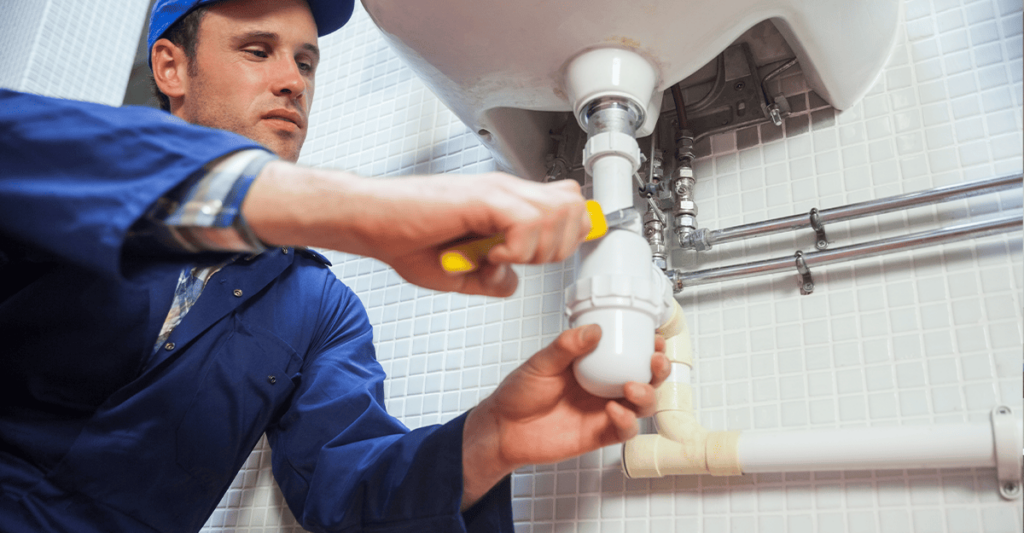
Introduction to the Hydraulic Installations Sector
The plumbing sector is an essential field for the proper functioning of various buildings, whether residential, commercial or industrial. This sector encompasses a wide range of activities, from planning and design to the execution and maintenance of water and sewage systems. The importance of plumbing installations goes beyond simply conducting water; they are essential for ensuring people's health and well-being, in addition to contributing to environmental sustainability.
With the growth of cities and the demand for more efficient construction, working in this sector has become increasingly relevant. Qualified professionals are needed to meet quality and safety requirements, ensuring that plumbing installations operate effectively and efficiently. In this context, it is essential to understand how plumbing installations work and what the advantages of working in this segment are.
How do hydraulic installations work?
Plumbing systems operate through a complex system of pipes, valves, pumps and other components that work together to transport drinking water and sewage. The operation of this system begins with the collection of water, which can be done from sources such as wells, rivers or reservoirs. The water is then treated to remove impurities and ensure its potability, before being distributed to homes and commercial establishments.
Once the water reaches the building, it is directed to different points of use, such as taps, showers and toilets. This is done through a network of pipes that branch out throughout the structure. The pipes are sized according to the water demand of each environment, taking into account factors such as pressure and flow. In addition, the plumbing installations must comply with technical standards that guarantee the safety and efficiency of the system.
Sewage, in turn, is collected through specific pipes that transport the waste to the city's sewage system or to sewage treatment systems. This process must be carried out carefully to avoid blockages and ensure that there is no contamination of the soil or water sources. Plumbing installations also include drainage systems, which are responsible for conducting rainwater and preventing flooding.
Finally, maintaining plumbing systems is crucial to ensuring they function properly over time. This includes regular inspections, leak detection, and repairs to damaged components. Proper planning and execution of plumbing systems can prevent future problems and increase the system’s durability.
Advantages of Working in the Hydraulic Installations Sector
Working in the plumbing industry offers a number of advantages that go beyond simple financial compensation. One of the main advantages is the high demand for qualified professionals. With the continued growth of cities and the need for adequate infrastructure, there is a broad and diverse market for those who wish to specialize in this field. This means that professionals have the opportunity to find employment in a variety of sectors, from construction to maintenance of existing systems.
Another significant advantage is the opportunity to work on varied and challenging projects. Plumbing installations can vary greatly depending on the type of building and its specific needs. This gives professionals the opportunity to develop technical and creative skills, as well as solve complex problems that require innovation and in-depth knowledge. Each project is a new opportunity to learn and grow in your career.
Furthermore, the plumbing sector is essential for environmental sustainability. Professionals working in this area have the opportunity to contribute to the preservation of water resources and the implementation of solutions that minimize environmental impact. This includes the use of water-efficient technologies, such as water reuse systems and adequate sewage treatment, which are increasingly valued in today's society.
Finally, working in the plumbing installations sector can offer the possibility of entrepreneurship. Experienced professionals can choose to open their own businesses, offering plumbing installation and maintenance services. This not only provides freedom and autonomy, but also the chance to build a brand and reputation in the market, further expanding opportunities for professional growth.
How to Work in the Plumbing Installations Sector: Practical Tips
Working in the plumbing industry requires a specific set of skills and knowledge. Here are some practical tips for those looking to enter this field:
- Technical Training: The first step to working in the plumbing industry is to seek appropriate technical training. There are several technical and professional training courses that provide a solid foundation in the principles of hydraulics, piping, drainage systems and safety standards. Investing in education is essential to stand out in the field.
- Certifications and Training: In addition to basic training, it is important to seek additional certifications and training. Companies and associations often offer refresher courses that cover new technologies and sustainable practices. These certifications can increase a professional’s credibility and open doors to new opportunities.
- Practical Experience: Practical experience is essential for effective learning. Seeking internships or jobs in companies in the sector can provide valuable experience. During this time, it is possible to observe the day-to-day work, learn from experienced professionals and understand the nuances of plumbing installations in different contexts.
- Networking: Building a network of contacts in the industry is an effective strategy for those who want to establish themselves in the field. Attending industry events, fairs and conferences can help you meet other professionals, exchange experiences and even find job opportunities.
- Keeping Up with Trends: The plumbing industry is constantly evolving, with new technologies and solutions emerging regularly. Staying up to date with market trends, such as water efficiency systems and material innovations, can set a professional apart in the job market.
- Entrepreneurship: For those who want to go further, considering entrepreneurship may be a viable option. With the experience acquired, professionals can open their own plumbing installation and maintenance companies, offering personalized and innovative services to meet market needs.
Finally, it is important to remember that working in the plumbing industry requires commitment and dedication. With the tips above, it is possible to build a solid and rewarding career in this essential field.
The Importance of Maintaining Hydraulic Installations
Maintaining plumbing systems is essential to ensure that they function properly over time. Preventing leaks and maintaining the integrity of components are essential to avoid major problems and high costs. Regular inspections help detect faults before they become critical.
Furthermore, maintenance must be planned so that the plumbing installations meet technical standards and quality standards. This ensures that the system operates efficiently, without compromising the safety or well-being of users. A well-maintained system also reduces water and energy waste.
Early detection of leaks and blockages is another crucial part of maintenance. This not only improves system efficiency but also prevents structural and environmental damage. In addition, proper maintenance extends the lifespan of the system, ensuring that the initial investment is well-invested.
Qualified professionals are essential to perform effective maintenance. Staying up to date with new technologies and practices in the sector allows specialists to provide appropriate and innovative solutions to the daily challenges of hydraulic installations.
Did you enjoy learning about how to work in the hydraulic installations sector?
Getting to know the plumbing industry is the first step for anyone who wants to enter a promising career full of opportunities. The importance of this industry in modern society is undeniable, and the possibilities for action are vast and diverse.
If you feel attracted to this field, don't hesitate to seek more information and delve deeper into the necessary knowledge. The future of plumbing installations is promising, and you can be a part of it!
Frequently Asked Questions
How can I start working in the plumbing installations sector?
You can start by taking a technical course in the field. This will give you the necessary foundation. Then, look for internships or apprenticeships to gain practical experience.
What skills are needed to work in the plumbing industry?
You need problem-solving skills and attention to detail. It's also good to have math skills and be skilled with your hands.
What is the salary expectation for plumbing professionals?
Salary expectations vary, but generally start around R$1,500.00 to R$2,500.00 per month. With more experience, you can earn much more.
Are there important certifications for working in the plumbing installations sector?
Yes! Certifications like CREA are essential. They ensure that you are qualified and can increase your job prospects.
How can working in the plumbing sector be a stable career?
The demand for plumbing services is constant. Almost every property needs plumbing maintenance. This means you will always have work available.